About · Our identity
The TAASA logo
Our emblem gathers the tools of the archer and the symbols of the nation into a single mark, its colours taken from the South African flag, its details rooted in the country’s heritage.
Every part of the emblem is deliberate. The palette is borrowed from the national flag, the crossed arrows and traditional bow speak to the discipline itself, and the sprigs framing them are yellowwood, South Africa’s national tree.
Anatomy
The elements of the mark
Watch the emblem assemble, then explore it part by part. Select any element to see where it sits and what it stands for.
Usage
Three approved logo versions
The TAASA emblem is available in three approved versions: the primary full-colour emblem, a single-colour emblem with the surrounding name, and a symbol-only version without the wording. Select a background below to preview the approved single-colour combinations on black, white, TAASA green or TAASA gold. The emblem must not appear on red or blue backgrounds.

Colours
A palette from the national flag
The emblem is coloured from the South African flag, the same green, gold, black, white and red that fly over the country.
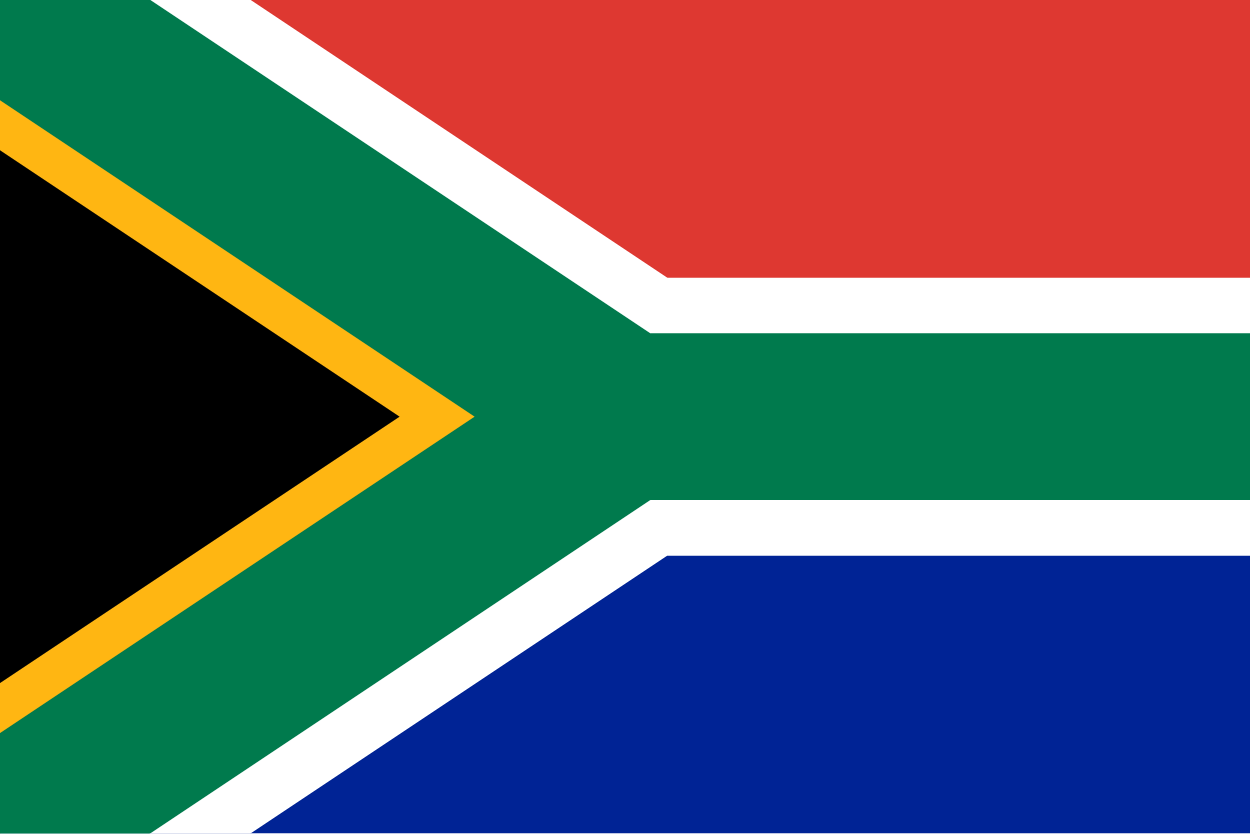
Six colours make up the flag, and the emblem draws on five of them.
The flag was the first national flag in the world to carry six colours in its main design. Three of them, black, green and gold, come from the flag of the African National Congress; the other three, red, white and blue, are inherited from the Dutch, British and Boer flags of South Africa’s colonial past.
TAASA’s emblem takes its lead from this palette, using the flag’s green, gold, black, white and red so the mark reads unmistakably as South African.
The flag was designed by Frederick Brownell and first raised on 27 April 1994. Officially, no single meaning is attached to the colours; the Y-shape signifies the convergence of a diverse society into unity.
- #007049
TAASA green
The central field of the emblem.
- #FFB300
TAASA gold
The keyline ring and the yellowwood leaves.
- #000000
TAASA black
The border ring, the bow and the arrows.
- #FFFFFF
TAASA white
The association’s name around the ring.
- #CE1126
TAASA red
The TAASA monogram at the foot.
Green, gold and black are the primary colours, with white as their inverse and red used sparingly. The flag’s sixth colour, national flag blue, sits outside the emblem itself but is now used as an alternate colour across TAASA’s wider digital platforms.
The national tree
Framed by the yellowwood
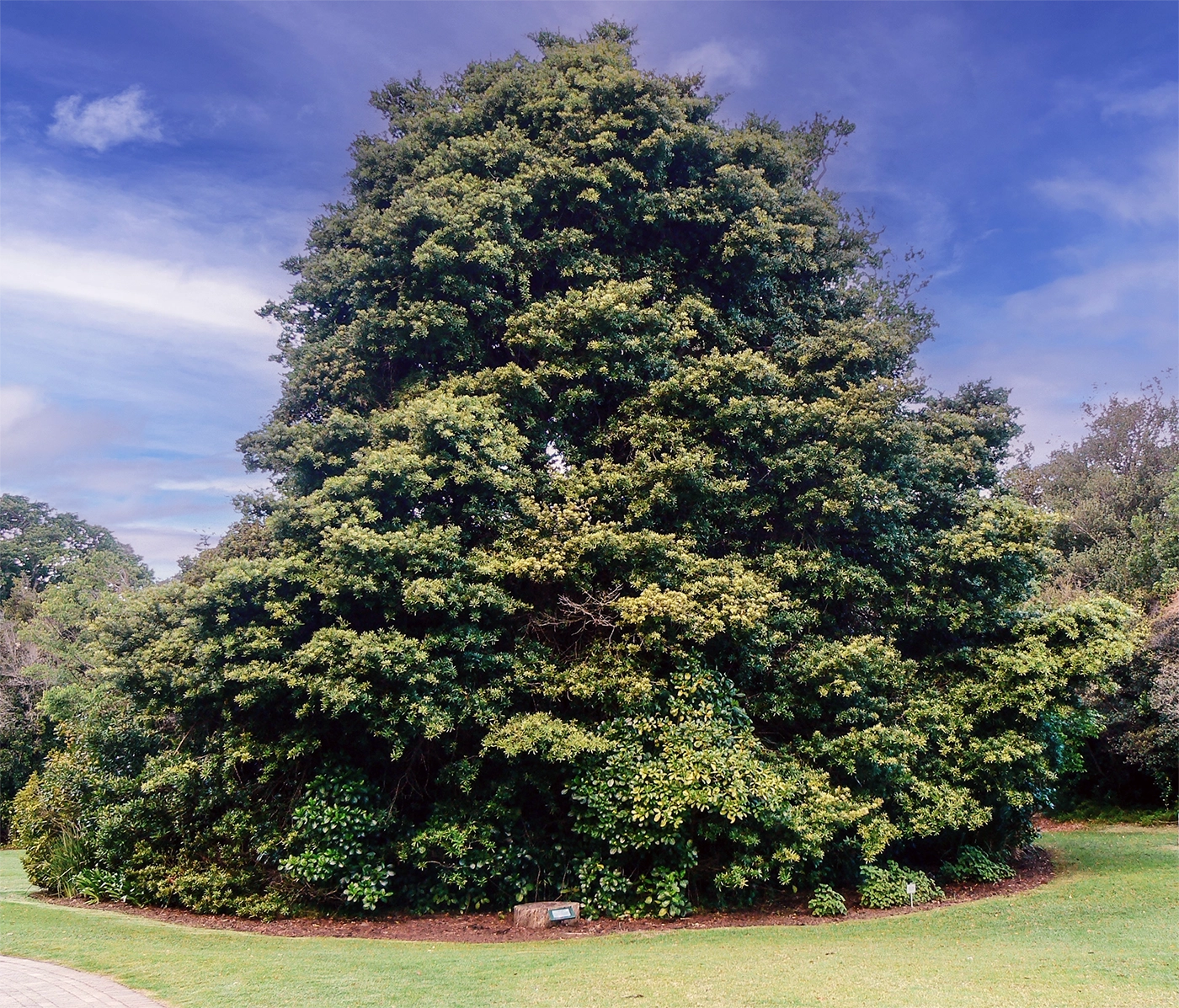
The sprigs above and below the emblem are yellowwood, Podocarpus latifolius, the real yellowwood, declared the national tree of South Africa.
As traditional archers we shoot natural-shaft arrows of wood and bamboo, so wood itself sits at the heart of the craft. A tree speaks to that far more truly than the protea most South African bodies adopt, which is why the yellowwood became our element of choice.
Further reading
- National tree, Real yellowwood (Podocarpus latifolius): South African Government · SANBI PlantZAfrica · Wikipedia
- National flag colours, design and history: Flag of South Africa · Britannica